One-Pot Lemon Garlic Chicken and Rice Recipe
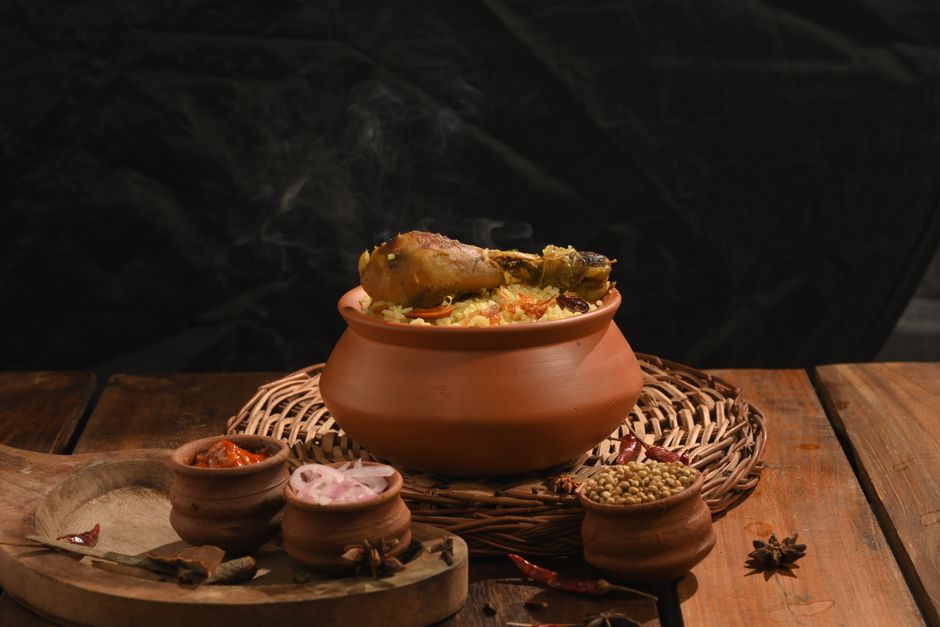
The concept of a one-pot meal appeals to those seeking a streamlined cooking process that reduces the number of dishes and simplifies cleanup. This approach brings together ingredients in a single vessel, allowing flavors to meld during a controlled cooking sequence. The following method outlines a process for preparing a dish centered on chicken, rice, lemon, and garlic. The result depends on ingredient quality, cookware characteristics, and attention to cooking times.
The recipe described here uses bone-in chicken thighs for their moisture and flavor retention during longer cooking. Long-grain white rice is a common choice because it absorbs liquid evenly without becoming overly sticky. Fresh lemon and garlic provide a bright, aromatic base that complements the richness of the chicken. The steps below emphasize technique and timing rather than promising a specific outcome, as variables such as stovetop heat and pan material can influence the final texture.
Understanding the One-Pot Method
One-pot cooking relies on a sequence of steps that build layers of flavor within the same pan. Typically, the process begins with browning protein to develop a savory crust, then uses the residual fat and fond to sauté aromatics. Liquid is added to deglaze the pan, and rice is introduced to absorb the seasoned broth. The entire mixture simmers covered until the rice is tender and the chicken is cooked through. This method reduces the need for multiple pots and allows the starch from the rice to thicken the cooking liquid naturally.
The choice of cookware matters: a heavy-bottomed pot or Dutch oven distributes heat evenly and maintains a steady simmer. A tight-fitting lid prevents steam from escaping, which is important for rice to cook properly. The one-pot approach also encourages careful timing, as different ingredients require different cook times. For this reason, the chicken is often seared first and then set aside while the rice base is prepared, ensuring that each component receives appropriate heat exposure.
Selecting Ingredients for Flavor and Texture
The ingredients in this dish are chosen for their complementary roles. Chicken thighs, particularly bone-in and skin-on varieties, offer more fat and connective tissue than breast meat, which helps keep the meat moist during the simmering period. The skin can be crisped during the initial sear, adding texture. Boneless thighs may be used, though they require slightly shorter cooking times.
Rice selection affects the final consistency. Long-grain white rice, such as basmati or jasmine, tends to remain separate and fluffy. Medium-grain rice will produce a slightly creamier texture, while short-grain varieties may become too sticky for this application. The amount of liquid must be adjusted based on the rice type and the desired degree of doneness. Lemon juice and zest contribute acidity that balances the richness of the chicken and the starchiness of the rice. Fresh garlic, rather than pre-minced or powdered, provides a more pungent and aromatic presence.
Sequencing the Cooking Steps
The cooking process can be broken into distinct phases. First, the chicken thighs are patted dry and seasoned with salt, pepper, and optionally a small amount of dried herbs. A neutral oil is heated in the pot over medium-high heat, and the chicken is placed skin-side down without crowding. The thighs cook for several minutes until the skin is golden brown and releases easily from the pan. They are then removed to a plate, leaving the rendered fat behind.
In the same pot, the heat is reduced to medium. Diced onions or shallots are added and stirred until softened, about three to four minutes. Minced garlic is added for the final minute, cooking just until fragrant to avoid bitterness. The rice is then stirred into the mixture, coating each grain with the fat and allowing it to toast lightly for one to two minutes. This toasting step helps the rice maintain its structure during simmering. A combination of chicken broth and a small amount of water is poured in, along with lemon juice, lemon zest, and any additional seasonings. The liquid is brought to a simmer while scraping up any browned bits from the bottom of the pot.
Combining Components and Managing the Simmer
Once the liquid reaches a gentle boil, the browned chicken thighs are returned to the pot, nestled into the rice. The heat is reduced to low, and the pot is covered with a tight-fitting lid. The dish simmers undisturbed for approximately twenty to twenty-five minutes. During this time, the rice absorbs the liquid and becomes tender, while the chicken finishes cooking through steam and gentle heat. It is important not to lift the lid during the simmer, as this releases steam and can lead to uneven cooking.
After the cooking time has elapsed, the pot is removed from the heat and allowed to rest, still covered, for another five to ten minutes. This resting period allows the rice to absorb any remaining moisture and the flavors to settle. The chicken can be checked for doneness by inserting a thermometer into the thickest part of the thigh; an internal temperature of 165°F (74°C) is typically considered safe. If the temperature is lower, the pot can be returned to low heat for a few additional minutes.
Adjusting the Final Dish and Serving Considerations
After resting, the lid is removed and the rice is fluffed gently with a fork. The chicken thighs can be placed on top or served alongside the rice. Fresh herbs such as parsley or chives can be sprinkled over the dish, and additional lemon wedges may be offered for extra acidity. The texture of the rice should be tender but not mushy; if it appears too wet, the pot can be left uncovered over low heat for a few minutes to allow excess moisture to evaporate. Conversely, if the rice is still firm, a few tablespoons of hot broth or water can be stirred in and the pot covered for an additional five minutes.
The one-pot format lends itself to variations. Vegetables such as sliced bell peppers, peas, or spinach can be added during the final minutes of cooking. The seasoning profile can be shifted by using different herbs or adding a pinch of red pepper flakes for heat. Each modification will affect the overall balance of moisture and cooking time, so adjustments should be made with observation and testing. This approach emphasizes understanding the underlying process rather than following a rigid formula.