How to Cook Perfect Steak in a Cast Iron Skillet
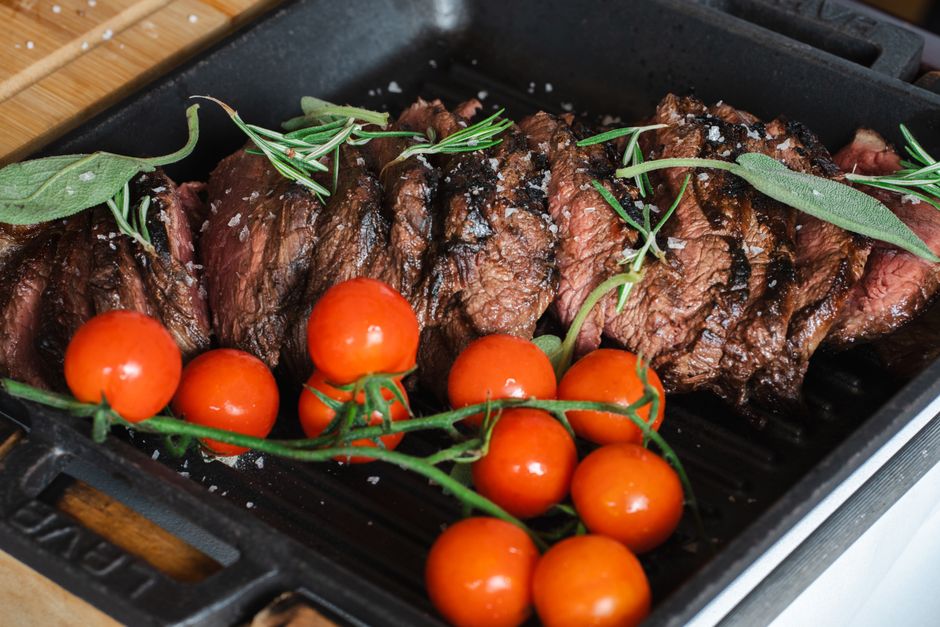
Cooking a steak in a cast iron skillet is a method that many home cooks and professionals rely on for consistent results. The heavy pan retains heat well and creates an environment where the exterior of the steak can develop a rich, golden crust while the interior remains tender. This approach focuses on technique rather than complex equipment, making it accessible to anyone with a stovetop and a cast iron pan. Understanding the key steps—from preparation to resting—can help build confidence in the kitchen.
The process involves several factors that work together: the temperature of the pan, the quality of the steak, the seasoning applied, and the timing of each stage. None of these elements alone guarantees a perfect outcome, but when considered together, they contribute to a more predictable cooking experience. This guide outlines the general framework used by many cooks, with an emphasis on observation and adjustment rather than rigid rules.
Whether cooking a ribeye, sirloin, or filet mignon, the same basic principles apply. The goal is to achieve a balance between a well-browned surface and a uniformly cooked interior. The following sections describe each phase in detail, from selecting the steak to allowing it to rest before serving.
Choosing the Right Steak and Seasoning
The type of steak influences the cooking time and the final texture. Cuts with moderate marbling, such as ribeye or New York strip, tend to remain moist during high-heat cooking because the fat renders and bastes the meat. Leaner cuts, like sirloin or filet, require slightly more attention to avoid overcooking. For those new to cast iron cooking, a steak that is at least one inch thick is often recommended, as it offers more room for error when managing heat.
Seasoning is typically kept simple. A generous application of kosher salt and freshly ground black pepper is common, though some cooks add garlic powder, rosemary, or thyme. The salt is important not only for flavor but also for drawing moisture to the surface, which then evaporates and helps form the crust. The steak can be seasoned immediately before cooking or up to an hour in advance. If seasoned ahead of time, the salt has more opportunity to penetrate the meat, which may improve tenderness. After seasoning, the steak is often left at room temperature for twenty to thirty minutes. This step is not strictly necessary, but it can help the steak cook more evenly, especially for thicker cuts.
Preheating the Cast Iron Skillet
Preheating the skillet properly is one of the most critical steps in this cooking method. A cast iron pan takes longer to heat than nonstick or stainless steel, but once hot, it holds temperature steadily. The pan should be placed over medium-high heat and allowed to warm for five to ten minutes. An easy way to test readiness is to sprinkle a few drops of water on the surface; if they sizzle and evaporate immediately, the pan is ready. If the water beads up and skitters across the surface, the pan is very hot, which is also acceptable for searing.
During preheating, a small amount of oil with a high smoke point, such as canola, grapeseed, or avocado oil, is added to the pan. The oil should shimmer before the steak is placed in the skillet. The type of oil matters because some oils break down at high temperatures and can impart off flavors. Butter is often added later, near the end of cooking, to baste the steak, but it is not typically used as the primary cooking fat due to its lower smoke point.
The temperature of the pan directly affects the crust formation. If the pan is not hot enough, the steak may steam rather than sear, resulting in a gray exterior. If the pan is excessively hot, the outside may burn before the inside reaches the desired doneness. Finding the right balance requires attention to the heat source and the thickness of the steak.
The Searing Process
Once the pan and oil are hot, the steak is placed gently into the skillet, laying it away from the body to avoid splatter. The steak should not be moved or pressed down during the initial sear. Letting it sit undisturbed for three to five minutes allows the Maillard reaction to develop, creating the browned crust. When the steak releases easily from the pan, it is ready to flip. If it sticks, it may need more time.
After flipping, the second side is cooked for a similar duration. For thicker steaks, the edges can be seared by holding the steak with tongs and rotating it to brown the fat cap. Some cooks reduce the heat slightly after the initial sear to prevent burning while the interior cooks through. At this stage, optional aromatics like garlic cloves, fresh thyme, or rosemary can be added to the pan. Butter is also added, and the pan can be tilted to spoon the melted butter over the steak repeatedly. This basting step adds flavor and helps the crust develop further.
The cooking time depends on the thickness of the steak and the desired level of doneness. A general reference is about four to six minutes total for a one-inch steak cooked to medium-rare, but this varies. Using an instant-read thermometer is a reliable way to assess doneness without guesswork. The steak is removed from the pan when it reaches about five degrees Fahrenheit below the target temperature, as carryover cooking will continue to raise the internal temperature during resting.
Achieving the Desired Doneness
Doneness is a matter of personal preference, and the temperature ranges associated with each level are well known. For a medium-rare steak, an internal temperature of 130 to 135 degrees Fahrenheit is common, while medium falls between 140 and 145 degrees. Well-done steaks are typically cooked to 160 degrees or higher. Using a thermometer inserted into the thickest part of the steak gives the most accurate reading. For those who prefer not to use a thermometer, the finger test or visual cues can offer a rough estimate, though these methods are less precise.
Understanding carryover cooking is useful when planning the resting period. After the steak is removed from the skillet, the residual heat continues to cook the interior for several minutes. Taking the steak off the heat slightly earlier than the target temperature helps avoid overcooking. This phenomenon is more pronounced with thicker steaks and higher cooking temperatures.
If the steak has a thick layer of fat along one edge, trimming some of it before cooking or scoring it can help it render more evenly. Some cooks choose to cook the steak entirely in the pan, while others finish thicker cuts in a preheated oven. For the oven method, the steak is seared on both sides in the cast iron skillet and then transferred to a 400-degree Fahrenheit oven until it reaches the desired internal temperature. This approach allows for more controlled heat distribution, especially for steaks over one and a half inches thick.
Resting and Serving
Resting the steak after cooking is a step that affects how the juices are distributed. When the steak is removed from the pan, the juices are concentrated near the surface. Allowing the steak to rest for five to ten minutes on a cutting board or a warm plate gives the juices time to redistribute throughout the meat. Cutting into the steak immediately often results in a pool of liquid on the plate and a drier texture.
During resting, the steak can be loosely tented with aluminum foil to keep it warm without trapping so much steam that the crust softens. Some cooks add a small pat of butter on top of the steak while it rests for added richness. The steak should be sliced against the grain when serving, which shortens the muscle fibers and makes each bite easier to chew. For presentation, the slices can be arranged on a plate and served alongside vegetables, potatoes, or a simple salad.
The pan drippings left in the skillet can be used to make a quick pan sauce. After removing the steak, a small amount of liquid such as beef broth, wine, or water is added to the hot pan along with any remaining aromatics. The mixture is stirred to lift the browned bits from the bottom, then simmered briefly to reduce. This sauce can be drizzled over the steak or served on the side for added flavor.
Cast iron skillets require careful handling after high-heat cooking. The pan should be allowed to cool before washing, and a light coating of oil can be applied to maintain the seasoning. With proper care, a cast iron skillet can provide consistent cooking performance for many years.